
The usual fixes, $150–$600
Elements, thermostats, thermocouples, relief valves: the parts that actually fail, tested and swapped in one visit.
Most dead hot water systems are one failed part, not a funeral. We diagnose before we quote, carry the common parts on the van, and get Lilyfield households back under a hot shower the same day, keeping the new-system conversation for tanks that have genuinely earned it.
Here is the industry’s quiet incentive problem: a thermostat is a modest job and a new system is a four-figure one, so guess which gets recommended to people standing in cold water. Yet the actual failure list is boringly repairable, electric tanks lose elements and thermostats, gas units lose thermocouples and pilot assemblies, continuous-flow systems flash error codes that decode to a sensor or a flow fault. Metered, tested and swapped, most of these are same-day fixes at a fraction of replacement money.
Our rule in Lilyfield is simple: the multimeter and manometer speak first. When the verdict is a part, you get the part. When a tank is genuinely at the end, cylinder weeping, second major failure, double-digit age: you get both numbers side by side and the reasoning in plain English. What you will never get is a replacement quote built on nothing but your cold shower and our convenience.

Heat pump units are increasingly standard in new builds and they behave differently from a tank. They recover slowly, they are noisier than people expect, and they lose efficiency on cold mornings.
Recent developments can settle and shift in their first years, causing joint misalignment and early blockages if not laid well.
None of that is a fault. But it does mean a heat pump that seems to be underperforming in July is often working exactly as designed, and the answer is a timer adjustment rather than a call-out.
Properties near the water are more likely to sit unused for stretches, and a hot water system does not enjoy that. Stagnant water accelerates anode consumption, and a unit that has sat for months frequently fails within days of being brought back into use.
Streets sloping toward Iron Cove and the Bay Run drain unevenly, so heavy rain overloads low-lying gullies.
If a property is left for a season, isolating and draining the unit is worth the twenty minutes. Bringing it back slowly, with the tank refilled before power or gas is restored, avoids the most common restart failure.
Age, the cost of the part and whether the cylinder itself is sound decide repair versus replacement. A failed element, thermostat or relief valve is a repair. A tank that has corroded through is not, and no part saves it.
In older homes the hot water unit is often in an awkward spot, a narrow side passage, under a back stair, in a cupboard that was built around it. That was fine when it went in and it is a real constraint when it comes out.
Access affects both the cost of replacement and which units will physically fit. We measure the route before quoting rather than after, because a system that cannot be carried to the location is not an option however good the price.
On a recent build, check the manufacturer's warranty before anyone touches the unit. Most storage tanks carry five to ten years on the cylinder and less on parts, and unauthorised work can void it.
We will tell you when a unit is still in warranty even though that means the manufacturer's agent does the work rather than us. It is the cheaper answer for you and it is the honest one.
Lilyfield sits in Sydney’s Inner West (postcode 2040), bordering Rozelle, Leichhardt, Annandale and Balmain, with Iron Cove and the Bay Run along its northern shore. Its blend of heritage cottages and newer homes keeps our drain crews on the move.
Every storage unit has a relief valve drain line, and on a property with limited fall or a low-lying yard, that line frequently discharges somewhere it should not, against a wall, into a garden bed, or into a pit that backs up in heavy rain.
It matters because a relief line that cannot discharge freely is a safety device that cannot do its job. It is a quick thing to check and a cheap thing to correct.
Elements, thermostats, thermocouples, relief valves: the parts that actually fail, tested and swapped in one visit.
Gas valves and continuous-flow control boards, on systems young enough to deserve the investment.
Installed, like for like. Gas storage lands at $1,200–$2,200 installed.
Installed. Endless hot water, nothing to rust through, and the cupboard back.
Installed, after rebates: and the cheapest of everything to actually run. Worth the comparison on every replacement.
Repair and replacement prices arrive together when the tank is marginal, you decide with both in hand. Figures here are indicative of the 2026 Sydney market rather than a quote from us, you get your own number as a fixed price before any work starts.

System type, age and symptom over the phone lets us load the probable part before leaving, that is what makes same-day genuinely same-day.
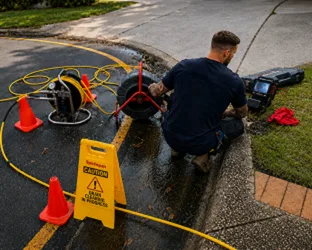
Multimeter on elements, sequence checks on gas, codes read on continuous flow. The diagnosis comes off the meter, never off a sales target.
Repairable means repaired now. End-of-life means the repair and replacement prices side by side, with our reasoning, then your call, unhurried.
Replacements go in with tempering valve, relief drain and compliant connections, old unit gone, and hot water flowing: usually the same day.
Call before 10am and in most cases the water is hot again tonight. Describe the system and we bring the likely fix on the van.
Diagnosis first, honest numbers second, hot water third: usually all on the same day.

Leave your details and our local Lilyfield team will call you back fast.